|
Getting your Trinity Audio player ready...
|
Learn what respiratory therapy is, how it benefits the lungs, who respiratory therapists are, and the best ways to enhance your breathing and overall health with some of today’s advanced techniques. The importance of proper lung function tends to be overlooked until a problem has already developed, despite its critical role in overall well-being. The role of respiratory therapy in protecting and maintaining respiratory health is an absolute necessity and is often supported through professional respiratory therapy services. This vital healthcare profession merges knowledge, clinical skills, and care to ease breathing for patients. It manages chronic disease and provides acute treatment through specialized healthcare services.
How Respiratory Therapists Work
Respiratory therapists work in a variety of settings ranging from hospitals and clinics to home care and rehabilitation centers. They’re highly trained health professionals who assess, treat, manage, and educate patients who have respiratory or cardiopulmonary diseases. The goal of respiratory care is to improve the quality of life of individuals who suffer from lung and airway diseases including asthma, COPD, pneumonia, or ARDS.
The practice of respiratory therapy, unlike traditional medicine, looks at the complex systems that support breathing. It encompasses all muscles associated with breathing including the diaphragm, trachea, bronchi, and lungs. Specialists aim to optimize oxygen delivery and breathing efficiency by creating specific treatment plans.
A Respiratory Therapist’s Function
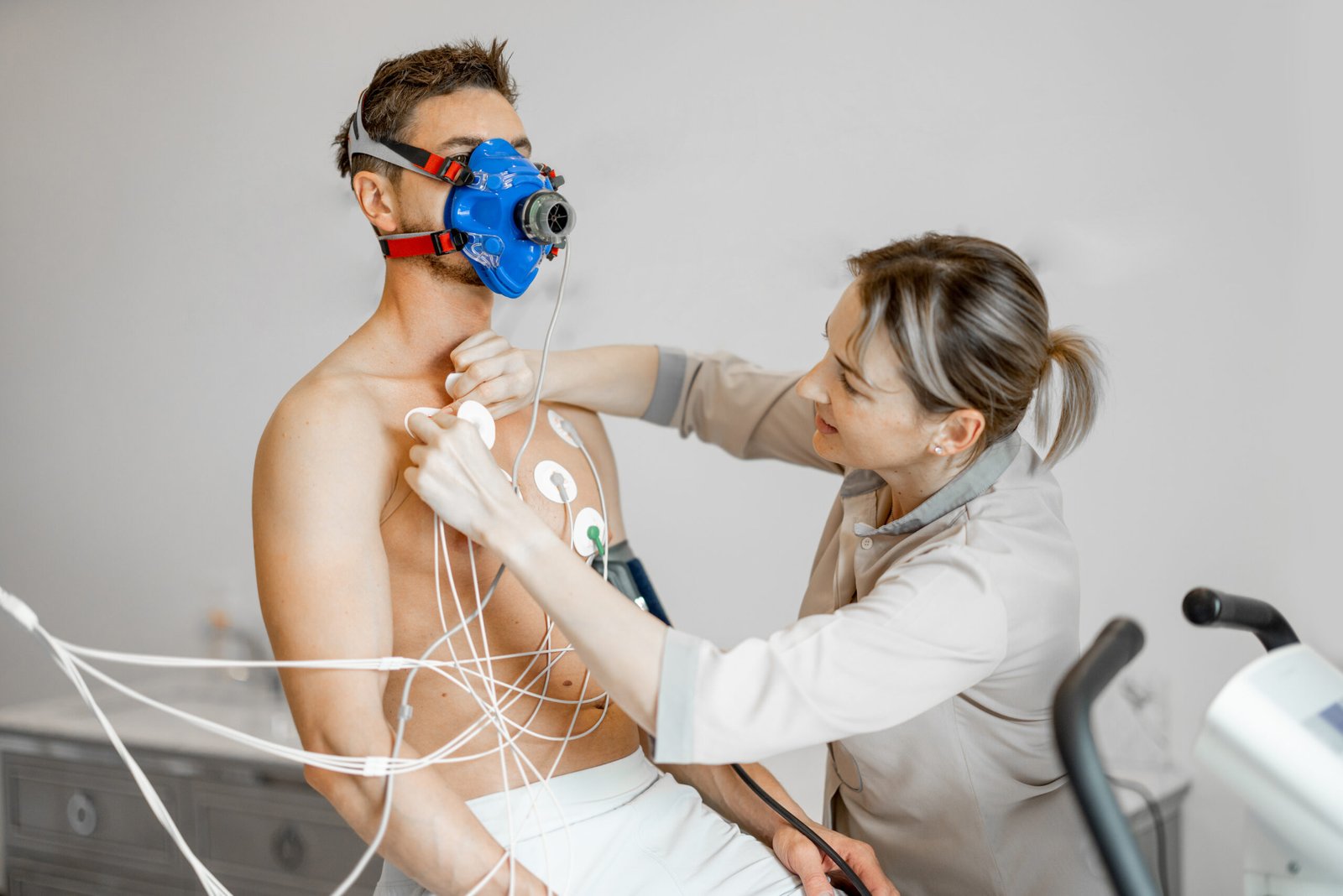
A respiratory therapist is a healthcare worker involved in evaluating, diagnosing, and managing respiratory issues for patients. They’re responsible for ventilation support in intensive care units, which may include the management of mechanical ventilators and oxygen therapy. These treatments are often part of advanced critical care services.
They are also important in the recovery phase from infections, trauma, and surgeries. These specialists collaborate closely with doctors, nurses, and other healthcare professionals to deliver complete care. They perform lung function checks, adjust treatments, and educate patients about respiratory health to reduce complications and hospital readmissions.
Respiratory Therapy for Common Illnesses
Many medical conditions can be successfully treated using respiratory therapy. Chronic conditions such as asthma and COPD often require ongoing therapy to maintain lung function. Acute illnesses such as pneumonia may require short-term treatment to restore normal breathing.
Respiratory therapy also benefits cardiovascular patients, as the heart and lungs work together. Patients with sleep-related breathing disorders often require treatments such as CPAP, which is also linked to managing sleep disorders.
Strategies and Methods in Respiratory Medicine
Modern respiratory therapy uses advanced techniques to improve lung function while minimizing discomfort. Patients who cannot breathe independently may require mechanical ventilation in intensive care environments supported by critical care units.
Therapists also use inhalers and nebulizers to relieve symptoms. Pulmonary rehabilitation combines exercise with education and breathing techniques, improving stamina and overall well-being. Programs like these are often delivered through physiotherapy services.
Critical Care and the Role of Respiratory Therapists
Patients in intensive care units often face life-threatening respiratory conditions. Respiratory therapists play a crucial role in managing oxygen and ventilation. Their work is essential in treating conditions such as severe infections and respiratory distress.
They monitor vital signs, adjust treatments, and ensure patients receive proper oxygenation. This form of care is a key part of emergency and critical medical services.
Prevention and Patient Education
Respiratory therapy also emphasizes prevention and education. Therapists teach patients how to properly use inhalers, manage medications, and perform breathing exercises. Preventative care includes smoking cessation programs and improving environmental conditions.
Education helps patients recognize early warning signs, allowing timely intervention and reducing complications. This proactive approach is aligned with community health services.
Telehealth and Modern Technology
Technology is transforming respiratory care. Tools like telehealth allow therapists to monitor patients remotely and adjust treatments accordingly through virtual care services.
Innovations such as smart inhalers, portable oxygen systems, and AI-driven monitoring are making respiratory therapy more personalized and effective. These advancements improve both clinical outcomes and patient experience.
Career and Education in Respiratory Therapy
Respiratory therapists undergo specialized education and clinical training. Most obtain degrees and certifications to practice professionally. Continuous learning is required due to advancements in healthcare technology.
Career opportunities are available in hospitals, home care, research, and public health. As respiratory conditions increase globally, the demand for professionals in this field continues to grow.
Public Health Importance
Respiratory therapy plays a vital role in public health by managing respiratory diseases across communities. During outbreaks like influenza or COVID-19, respiratory teams provide essential support through oxygen therapy and infection control.
Their work improves survival rates and reduces complications, making respiratory care a critical part of healthcare systems worldwide.
Integration with Other Healthcare Services
Respiratory therapy often works alongside other healthcare disciplines. Therapists collaborate with physiotherapists, nutritionists, and mental health specialists to provide holistic care.
Mental health plays a significant role, as stress and anxiety can worsen breathing conditions. Managing stress and anxiety disorders alongside respiratory care improves treatment outcomes.
Conclusion
Respiratory therapy is an essential field that improves lung function, enhances quality of life, and saves lives. Through advanced treatments, patient education, and preventive care, respiratory therapists play a crucial role in modern healthcare.
Patients should seek timely care and avoid self-diagnosis. Instead, it is always recommended to consult a healthcare professional or book an appointment for proper diagnosis and treatment.