
|
Getting your Trinity Audio player ready...
|
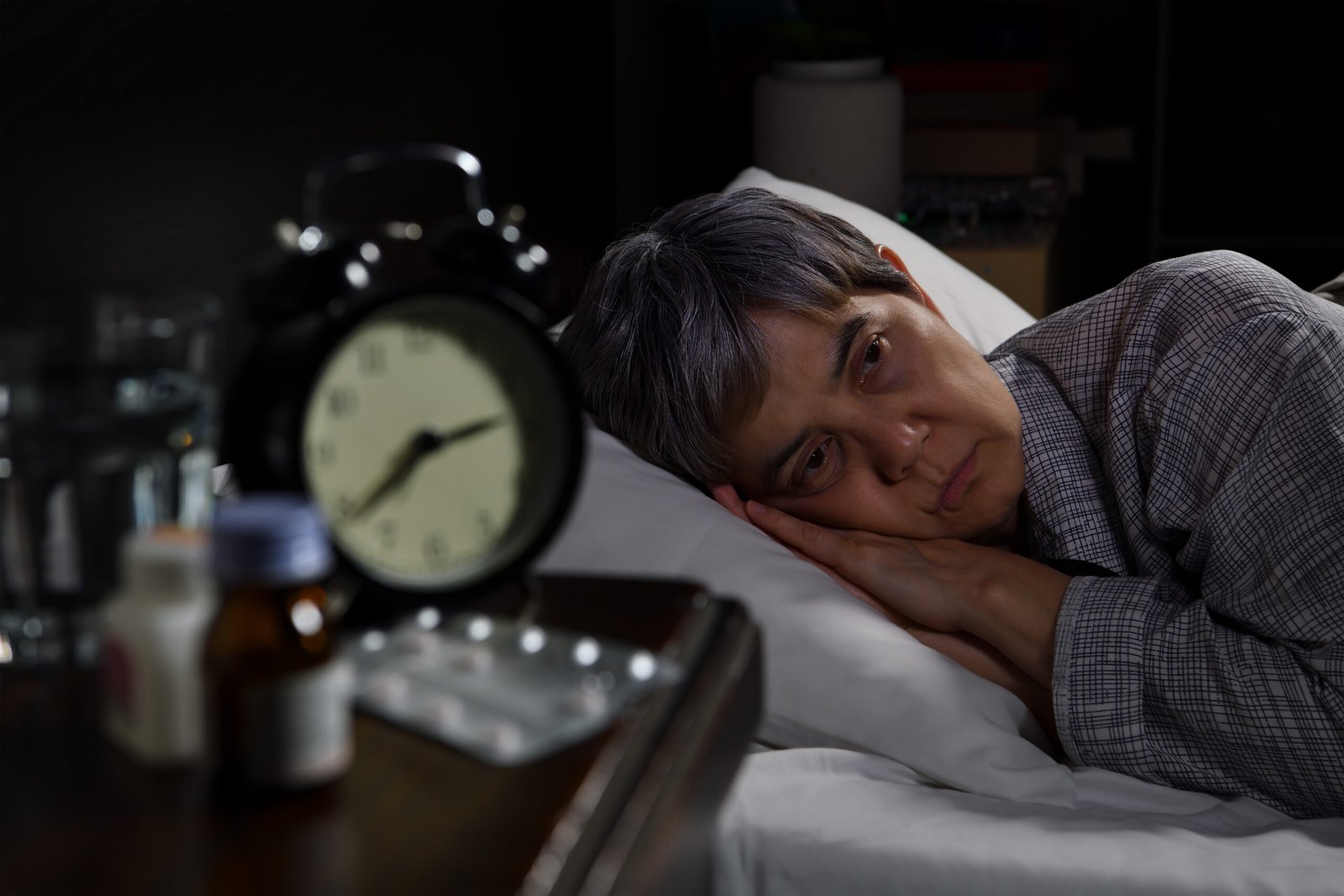
As defined, a sleep disorder is a condition that inhibits the ability to fall asleep or stay asleep for long periods of time. Sleep difficulties are associated with physical and mental health problems, and the type of sleep disorder will determine the symptoms that are experienced. Insomnia, Sleep Apnea and restless leg syndrome are some of the more common types that are experienced. If left untreated, these conditions may require professional support through sleep disorder treatment.
Recognizing Sleeping Disorder
Recognizing potential symptoms that suggest a sleep disorder should be a priority, since improvement in sleep hygiene can be achieved with the help of experts who are trained to address these problems. Insomnia is generally defined as the inability to achieve restful sleep on a regular basis. Symptoms suggestive of insomnia include waking very early in the day, difficulties falling asleep, waking in the middle of the night and not being able to fall back asleep. These symptoms can often be managed through professional mental health therapy and proper care strategies.
Sleep Apnea
Sleep apnea is another common sleep disorder. The symptoms do differ somewhat from insomnia, but the inability to achieve restful sleep is still present. Sleep apnea involves difficulty breathing while asleep that is caused by the tongue blocking the throat forcing the individual to wake up so that they can regain their breath. This disorder, if left untreated, could lead to complications in other parts of the body since the lack of breathing can cause a lack of oxygen to circulate. This may eventually impact heart health and overall well-being.
Common Symptoms
Restless leg syndrome is a less common sleep disorder that involves the need to move the legs in order to achieve restful sleep. Recognizing symptoms is important so that treatment can begin early and prevent complications from arising. Seeking help through clinical psychology services can support early diagnosis and management.
Insomnia
Out of all sleep-related issues, insomnia is possibly the most widely recognized. It is defined as an individual’s inability to fall asleep or stay asleep, leading to fatigue throughout the day. There are two main types: acute insomnia (short-term) and chronic insomnia (long-term). Chronic cases often require structured counseling support to improve sleep patterns and behavior.
Respiratory Disorder
One of the most common sleep-related problems is sleep apnea, where breathing repeatedly stops during sleep. These interruptions can last from seconds to minutes and may occur frequently. This condition may require advanced medical and critical care services if it becomes severe.
Sleeping Disorders and Their Common Causes
Sleep disorders such as insomnia may have multiple causes. Identifying the root cause is essential for proper treatment. Common causes include stress, health conditions, medications, and lifestyle factors. Effective stress management plays a major role in improving sleep quality.
Narcolepsy
Narcolepsy is characterized by sudden and uncontrollable sleep episodes during the day. Individuals may fall asleep unexpectedly, even during activities such as driving or working. This condition often requires specialized psychiatry services for proper diagnosis and treatment.
The Effect of Sleep Disorders on Your Health
Your physical and mental health largely depends on the quality of your sleep. Sleep deprivation is linked to several serious conditions including heart disease, obesity, diabetes, and a weakened immune system. Maintaining good chronic disease care is essential to reduce these risks.
Effects of Sleep Disorder
Sleep deprivation can lead to memory lapses, slow reaction times, and difficulty concentrating. It also has a strong connection with mental health conditions like Anxiety Disorder and Depression. These conditions can be managed through professional depression treatment and related care services.
Quality of Life
Sleep disturbances can significantly lower quality of life. A lack of proper sleep can result in irritability, fatigue, and reduced productivity. Improving sleep often involves lifestyle adjustments and guidance from behavioral therapy experts.
Choices for Treating Sleep Disorders
Fortunately, many sleep disorders can be treated through a combination of therapies, medication, and lifestyle changes. A comprehensive treatment plan may include rehabilitation services to restore overall health and well-being.
Treatment
Lifestyle changes remain one of the most effective treatments. Maintaining a regular sleep schedule, reducing caffeine intake, and improving sleep environment are key strategies. Regular physical activity supported by physiotherapy services can also enhance sleep quality.
Therapy
Cognitive Behavioral Therapy for Insomnia (CBT-I) is a proven method for treating sleep disorders. It helps individuals identify and change negative thoughts and behaviors affecting sleep. In more serious cases, additional therapy services may be required.
Conclusion
Sleep disorders can significantly impact both physical and emotional health. Understanding their causes, symptoms, and treatment options is the first step toward better sleep and improved quality of life. If you are experiencing persistent sleep issues, it is important to consult a healthcare professional for accurate diagnosis and treatment. You can also explore a full range of healthcare services for comprehensive support.