
|
Getting your Trinity Audio player ready...
|
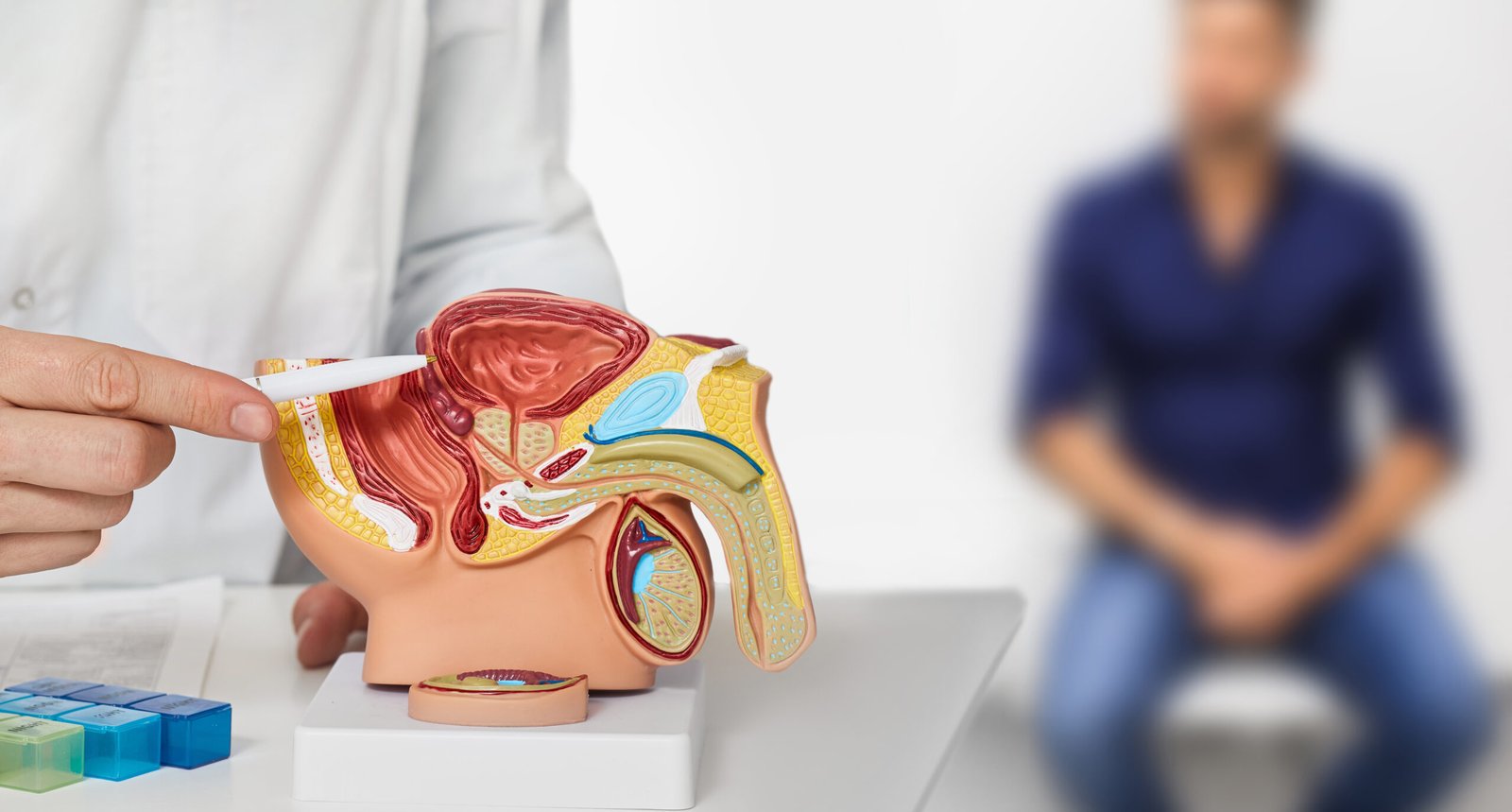
Prostate Cancer is the stagnation of cancerous cells in a man’s prostate gland. If the prostate gland produces too much seminal fluid, it causes elevated circulation and urination problems. Prostate cancer is caused by unchecked mutations in the prostate. In short, as these different cells spread out, they group together into a lump which can then break off and flow through the blood to set up other points for secondaries – such as bone or lymph nodes. This is now the structure of the prostate gland.
Understanding this condition early is important, and regular cancer screening services can help in early detection.
What is Prostate Cancer
It is at the prostate gland proper, beneath the bladder and in front of the rectum, that these cancers will occur. The prostate is the starting point of the urethra. If a lump gets into it, then how can one help lumps pass through these stages? Typically, the early cancers are restricted to the prostate. But then, how and why do mutations come about? Early detection through cancer diagnosis services is essential for better outcomes.
So what causes prostate cancer?
Genetic disorders, radical changes in hormone levels, and cellular degeneration with the aging process all play parts in initiating cancer of the prostate. The growth of prostate cells is dependent on the existence of testosterone. Over the years, “fingers” of sugar have been repeatedly inserted into DNA. Then, people’s dietary habits and lifestyles, the kinds of people doing these things at your office and on your block, all play a role in the course of this disease. Prevention awareness through cancer prevention programs can help reduce risk factors.
Age and genes
When the disease comes, and the symptoms appear, people frequently ask: How many symptoms are there in patients with prostate signs at the time of prostate cancer? Many patients with the disease have no symptoms. What happens as the disease progresses: This symptom occurs. After the disease progresses, suddenly, many different things appear. Does that mean your prostate is still growing? The important thing is what they stand for, either benign or malignant. A biopsy, on the other hand, definitely means under the microscope. Stage 1: The prostate is the only site of infection. Stage II begins in the middle of the front area within the gland. In stage 3, the spread is into the surrounding tissues. Stage 4 has the bones or distant organ become a site (or other parts of the body) for metastatic disease to occur. Treatment planning is usually done under medical oncology services and advanced cancer care teams.
How Treating Prostate Cancer Works?
It needs to be determined by what route of progress and at what stage cancer is in before any decision can be made on treatment. Physicians use GSNs in addition to radiation therapy or surgery. Hormone replacement drugs may also be used. The prostate gland is removed under radical prostatectomy. Radiation therapy kills cancer cells. Hormone therapy reduces testosterone levels. For slow-growing tumors,s we go to active surveillance. Finally, life support care should be discussed about how it should be given and received. Treatments may include radiation oncology, chemotherapy services, and palliative care depending on severity.
Treatment Effects and Prostate Cancer Initiative
One might think that the way people live has a lot to do with the forecast for their prostate cancer. The choices you make when living can make your risk very high, or at least determine which steps of this cancer process will develop. Another way of putting it will stress the point that diet, physical activity, and body weight are all involved with hormone balance. Exercise increases immunity. Reducing weight keeps inflammation in check. Support during recovery is often provided through cancer rehabilitation services.
How Prostate Cancer is Stopped In Its Tracks
By changing the time they eat, paying attention to the food they eat, regular doctor checkups, and an active way of life, people can avoid developing prostate cancer. For a prostate trouble-free meal, after you have finished eating, toss the vegetables and fruit in a freezer tray. Regular prostate-specific antigen readings will allow earlier detection. Biking in the park helps keep weight under control and the diastolic blood pressure down on a graph. Long term management is supported by prostate cancer care services and early screening programs.
Frequently Asked Questions (FAQs)
What are the most visible symptoms of prostate cancer?
Erectile dysfunction, back, hip, or Pelvic pain, loss of bladder control, and blood in your pee or semen are most likely to be the symptoms you experience.
Please let me know why I developed Prostate Cancer?
No one knows now or ever where the disease comes from. The risk factors associated with it include age (because older men are more likely to get it), a family history of the disease, race (it’s much more common in African Americans than in other races), and genetics.
How should prostate cancer be diagnosed?
The usual primary methods are to give a person a digital rectal exam to feel for abnormalities, a PSA blood test to measure the level of antigens in his blood, and biopsies taken from his prostate gland, often supported by cancer diagnosis services.
What courses of treatment depend on the stage and kind of prostate gland cancer a person has?
They include hormone therapy, chemotherapy, radiotherapy, surgery, or a combination of these methods at the same time.
Could one keep away from prostate cancer?
Nothing can guarantee that you won’t get it, although eating well, getting regular exercise, and understanding your risk factors can lower the odds of contracting prostate cancer.