
|
Getting your Trinity Audio player ready...
|
It tries to comprehend how a person behaves, feels, and thinks under different circumstances, both when one is alone and when one is with other people. Psychology has divisions such as neuroscience, sociology, philosophy, and biology, among others. Psychology is an extremely broad field that explores many aspects related to people’s whole lives, ranging from understanding mental health conditions to improving one’s general welfare. This piece of writing will explore different aspects of psychology such as its history, major principles, and real-life applications.
Meaning of Psychology
The main idea of psychology is the scientific exploration of mental processes and behavior. As a result, it tries to answer major questions about human nature such as: what motivates us, what makes us behave in a certain way, and what are the mental processes that result in our emotions and thoughts. Besides individuals, psychology also studies social interactions. Human behaviour is a major subject of psychology that it tries to explain experimentally. Several branches of psychology focus on different parts of the human condition, highlighting the importance of clinical psychology services in modern healthcare.
Behaviour Analysis
Ancient Greek philosophers like Socrates, Plato, and Aristotle were some of the earliest thinkers to propose theories about the mind and human nature. However, psychology as a scientific discipline separate from philosophy was not established until the late 19th century.
The very first experimental psychology laboratory was set up by Wilhelm Wundt in Germany in the 1870s. His work laid the foundation of modern psychology through scientific observation and experimentation. Today, these foundations support advanced psychiatry services that help diagnose and treat mental health conditions.
History of Psychology
William James and Sigmund Freud were two influential figures who shaped psychology into what it is today. Freud’s psychoanalysis emphasized the role of the unconscious mind in influencing behaviour.
Later, behaviourists like John B. Watson and B.F. Skinner focused on observable actions rather than internal thoughts. Over time, cognitive psychology restored the importance of mental processes such as thinking and memory. These developments contributed to modern therapies such as behavioral therapy and counseling services.
Schools of Thought
Several schools of thought have strengthened psychology as a scientific discipline. Modern advancements in brain research and neuroscience have opened new areas of study. These advancements are closely linked with therapy and mental health treatment programs that focus on improving emotional and psychological well-being.
Psychoanalytical Theory
Freud’s psychoanalytical theory suggests that unconscious drives and repressed emotions strongly influence behaviour. Techniques such as dream analysis and free association help bring unconscious thoughts to awareness.
These concepts are still relevant today in treating conditions like anxiety disorders and depression, where understanding underlying emotions is essential.
Neurobiology and Evolution
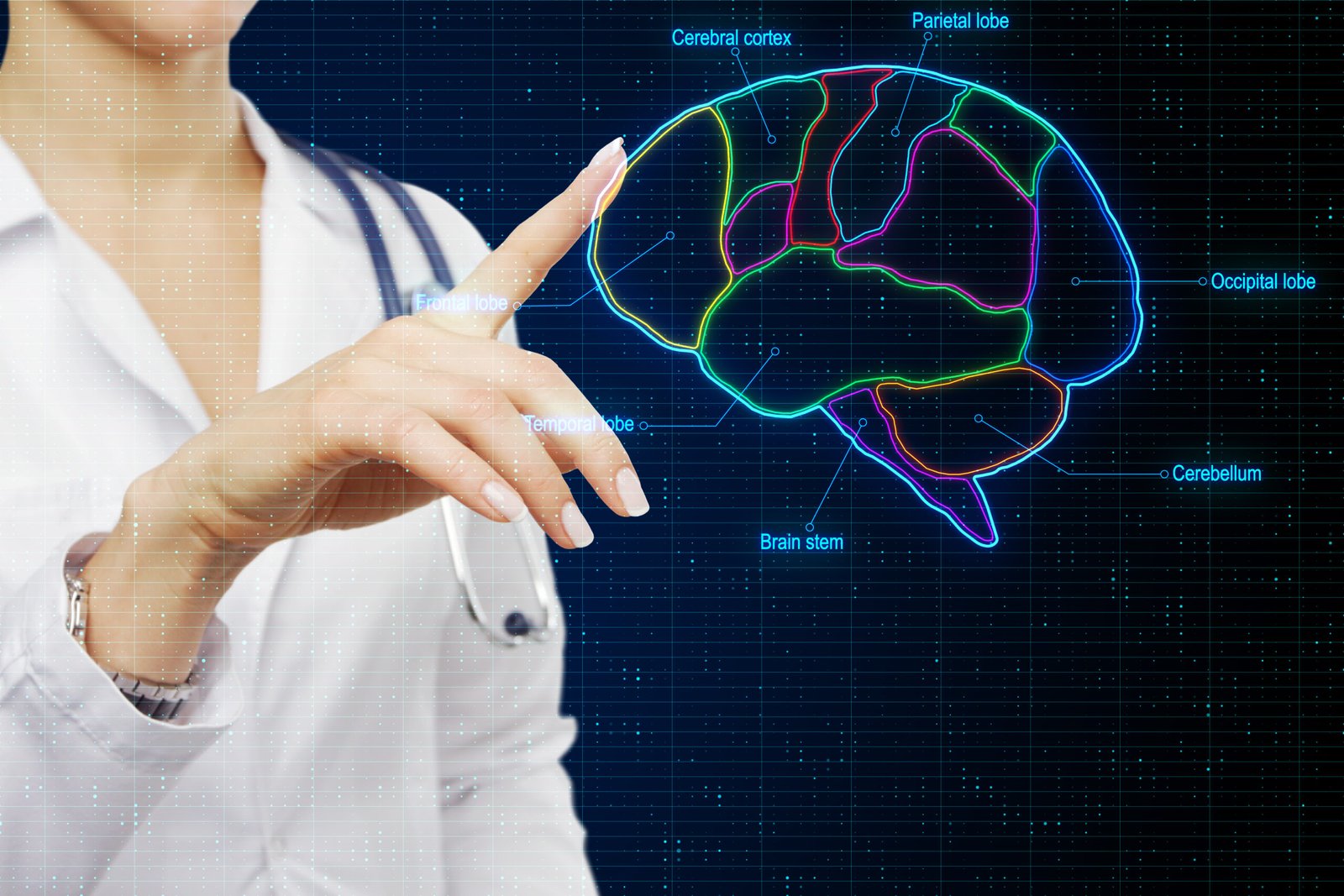
From a biological perspective, behaviour is influenced by brain structure and evolutionary processes. Advances in neuroscience help researchers understand how the brain functions.
Modern healthcare integrates this knowledge with rehabilitation services and psychology support programs to improve patient outcomes.
Psychology and Daily Life
Psychology is not just theoretical it has practical applications that impact everyday life. It helps individuals understand themselves and others, improving communication and relationships. Access to professional mental health support can significantly enhance quality of life.
The Field of Education
Psychological principles are widely used in education to improve teaching methods and learning outcomes. Educational psychologists help identify and support students with learning difficulties. Early intervention through child health and development services ensures better growth and learning outcomes.
Organisational and Workplace Psychology
Psychology plays an important role in workplace productivity, leadership, and employee well-being. Managing stress and improving work-life balance are key areas supported by stress management programs and mental wellness services.
Sociology of Relationships
Social psychology studies how people interact and behave in groups. It explores concepts such as social influence, relationships, and communication.
Understanding these dynamics can help individuals manage emotional challenges through counseling and therapy services and improve interpersonal relationships.
What’s Next in Psychology?
Psychology continues to evolve with new technologies such as brain imaging and neuroscience research. Tools like fMRI help scientists understand brain activity and behaviour patterns.
These advancements are shaping modern clinical psychology and mental health treatments for more accurate diagnosis and care.
Conclusion
Psychology focuses on both the mind and behaviour, making it essential for understanding human life. It plays a significant role in areas such as healthcare, education, and workplace productivity.
If you are experiencing emotional or psychological challenges, it is important to consult a qualified professional instead of self-diagnosing. You can also explore comprehensive healthcare services for complete support and treatment.