
|
Getting your Trinity Audio player ready...
|
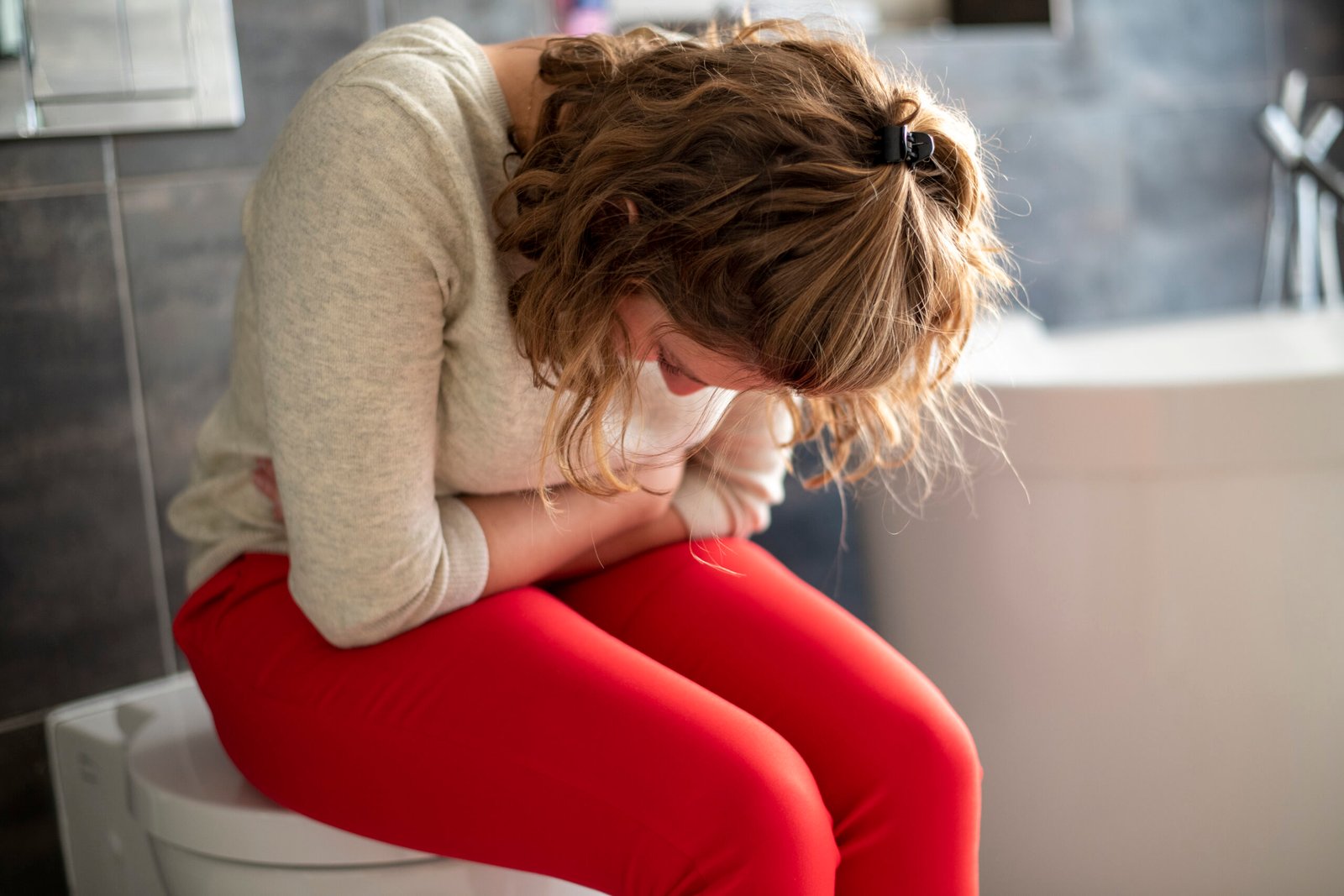
Diarrhea is something that everyone deals with at some point. Even when everyone experiences it, it’s still uncomfortable and disturbs our digestive health. Sometimes it comes after a meal, a stressful episode, heavy medications, or just stays without an obvious cause. Diarrhea often leaves you drained and dehydrated, which requires immediate solutions. There are different easy and effective remedies to cure diarrhea. This blog will guide you through every long and short detail of how to recover faster from diarrhea, even when you’re at home.
What is Diarrhea
Loose and watery stools occurring more frequently are called diarrhea. This happens when the intestines move food very quickly and do not give enough time to the colon to absorb excessive water from the stool. Diarrhea can be acute, meaning that it comes suddenly and lasts for a few days. If diarrhea lasts for more than a week, it may indicate underlying body issues. Sometimes diarrhea causes bloating, nausea, cramping, and fever. In these cases, going to a doctor through medical services is recommended. Understanding the kind of diarrhea you’re experiencing helps you identify the right remedy for it.
Common Causes of Diarrhea
There are a lot of reasons that cause diarrhea. Understanding these causes before taking medications or trying home remedies is very important.
Food Poisoning and Stomach Issues
One of the most common causes of diarrhea is food poisoning or stomach infection. When you intake contaminated food, your body reacts by excreting harmful bacteria quickly. This causes nausea, vomiting, diarrhea, stomach cramps, and sometimes fever. Most of the time, diarrhea resolves within a day or two, but if it doesn’t, seeking advice from digestive health specialists is important.
Diet and Food Intolerances
Your diet plays an important role in your stools. Consuming greasy, spicy, or high-fat foods can burden your digestive system. Artificial sweeteners and sugar-free gums or candies are known for causing diarrhea. Many intolerances, like lactose intolerance or gluten sensitivity, often develop diarrhea. Nutrition guidance from women’s health nutrition services can help manage diet-related issues.
Antibiotics and Medications
Most antibiotics can cause diarrhea by eliminating healthy bacteria in your system. Certain antidepressants, laxatives, and diabetes medications can also trigger digestive imbalance. Consulting mental health services or your healthcare provider can help manage medication-related diarrhea.
Stress and Anxiety
The connection between the gut and brain is stronger than you think. Stress and anxiety directly affect digestion. Many people notice diarrhea during prolonged stress or important events. Managing underlying stress through stress management programs can improve gut health.
How to Cure Diarrhea
Staying hydrated and drinking 7-8 glasses of water helps balance lost fluids and electrolytes. Take an easy-to-digest diet like bananas, rice, toast, and crackers, which contain soluble fiber to help absorb liquids. Consuming healthy bacteria like probiotics in yogurt or fermented foods like kimchi supports gut recovery. If you use OTC medications, consult a doctor first. Give your digestive system a rest and avoid greasy, spicy, fatty, or hard-to-digest foods. Eating small, bland meals is recommended.
When to See a Doctor
Diarrhea usually resolves in a couple of days, but you should see a doctor if it lasts more than 2 days and contains blood or pus. Seek medical attention if accompanied by high fever, severe abdominal pain, very dark urine, dizziness, or confusion. Also consult a doctor if diarrhea occurs after returning from international travel. Access professional medical care promptly for these situations.
Frequently Asked Questions (FAQs)
What is the most effective way of stopping diarrhea?
The fastest approach combines staying hydrated, eating light and bland foods, and using OTC medications when suitable for your stomach under a doctor’s advice.
How long does diarrhea usually last?
Acute diarrhea usually lasts 2-4 days. Persistent diarrhea can last up to 2 weeks, indicating an underlying issue that requires digestive health consultation.
What foods help stop diarrhea?
Foods easy on the digestive system such as bananas, rice, toast, crackers, and cooked carrots. Plain yogurt or probiotics help maintain healthy gut bacteria.
Is stress a cause of diarrhea?
Yes, the brain and gut are interlinked. Emotional stress causes intestinal contractions leading to diarrhea. Managing stress through mental health therapy can reduce digestive issues.
Can I fast when I have diarrhea?
Fasting is not recommended. Consuming small, easy-to-digest foods allows the intestinal lining to recover. Starving can slow healing and worsen digestive issues.