
|
Getting your Trinity Audio player ready...
|
The heart is like the engine of your body. It works around the clock to keep your body functioning properly. It is even working when you are lying in your bed doing nothing, literally. Resting heart rate simply tells you number of times your heart beats per minute when you are fully rested. Many people don’t even realize the importance of monitoring their resting heart rate. It helps to determine the level of fitness of your body, regulation of your stress levels, and identification of any developing illness alongside the efficiency at which your heart is aging. Tracking your resting heart rate is very important to maintain a healthy lifestyle. In this blog, you will know the importance of your heart rate and why it matters to your health, especially when it comes to maintaining proper heart health.
Why Resting Heart Rate Matters in Aged Care?
It is considered that as you age, your heart and blood vessels lose their flexibility over time. Monitoring and tracking your resting heart rate (RHR) becomes more important because even small changes in your body can be strong indicators of your overall health. Resting heart rate (RHR) helps to determine your heart’s efficiency. It also helps to identify serious medical complications like heart failure alongside other medical problems such as infections, thyroid issues, and dehydration or kidney health concerns. It is highly important in aged care due to an older adult’s lack of communication and pre-existing medical issues. It supports longevity and overall good health.
Simplifying resting heart rate
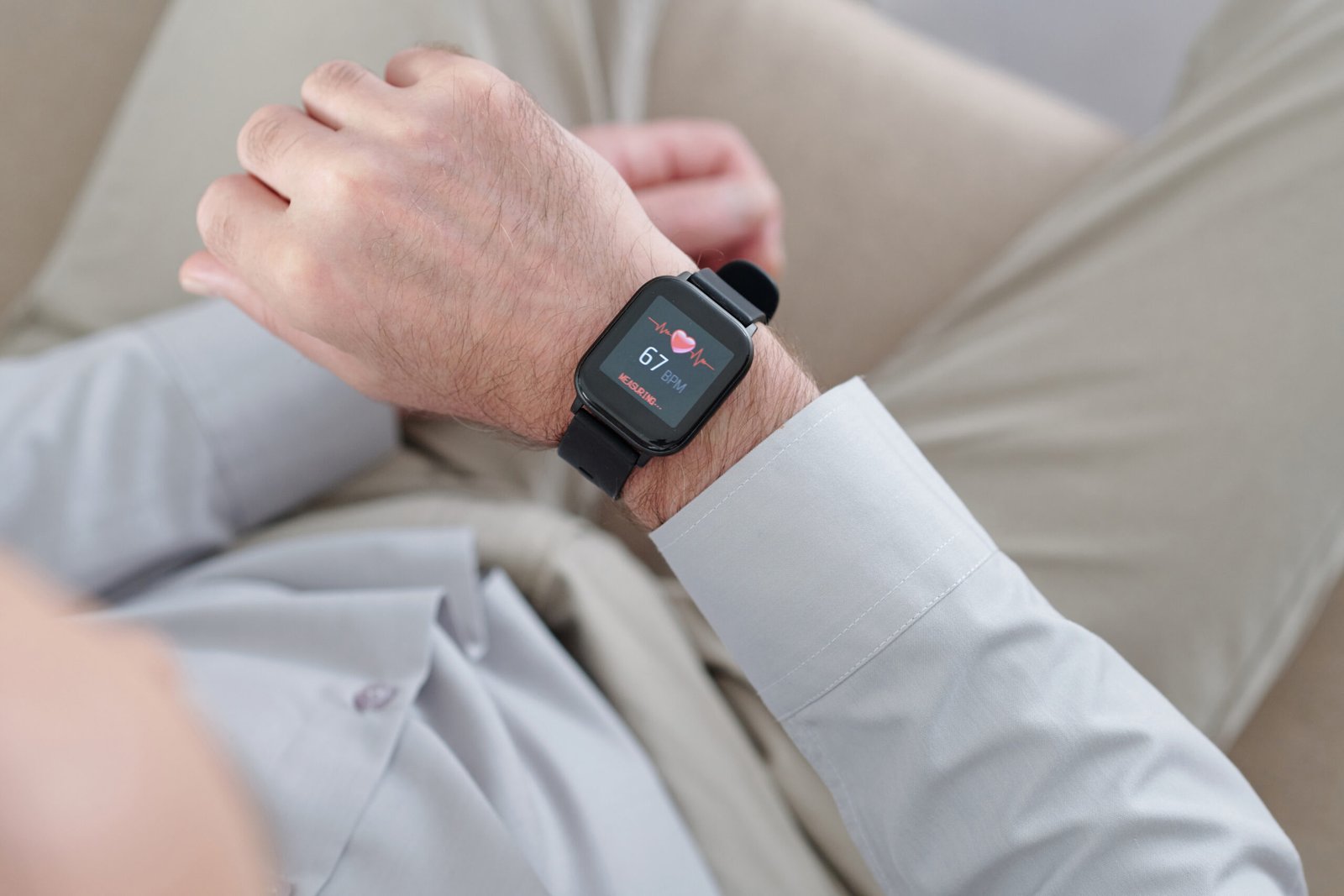
It means that the number of times your heart beats every minute while your body is doing nothing literally is known as resting heart rate (RHR). This means no physical activity and stress is involved. Your heart rate is determined by your BPM (beats per minute), which basically means if someone says your BPM is 75, that means your heart beats 75 times a minute. Regular heart rate monitoring can help detect early health changes.
How to know if your heart is actually at rest?
Whether your heart rate is actually at rest or not greatly depends on some aspects. It is considered that your heart rate is at rest if you have been lying down or sitting quietly for at least 5–10 minutes. Your heart rate is also at rest when you haven’t exercised for a few hours, haven’t experienced any type of stress or anxiety, and have no recent intake of nicotine, caffeine, or a big meal. The best way to determine your resting heart rate is to measure it right after waking up, before getting out of bed. It is strongly recommended to avoid measuring your heart rate at irregular times.
Normal resting heart rate across different factors
Generally, it is considered that a good resting heart rate for adults is usually between 60 – 100 BPM. It is important to note that normal here means the most common, not the same for everyone. Resting heart rate depends on the body’s fitness, stress management, sleep cycle, hormones, and medications.
Physically active vs physically non-active individuals
Please note that two healthy people can both be fine at 60 bpm and 80 bpm. What is more important is the consistency of your heart rate alongside the monitoring of any sudden change. Physically active individuals usually have between 40 and 60 BPM due to a stronger heart alongside increased pumping per minute. For physically non-active individuals, it is usually between 60 – 90 BPM, which basically means that the heart is to beat slightly more to pump the same amount of blood. Maintaining proper cardiovascular health is essential for long-term well-being.
Age Groups with respect to genders
Your resting heart rate varies and depend on your age. It is considered that children usually have higher heart rates, whilst adults tend to have a lower heart rate than kids. For older adults, it is usually similar to younger adults, but can vary due to fitness and medication. Focusing on senior wellness plays a key role in maintaining a stable heart rate.
Benefits of having a low resting heart rate
Generally, a low resting heart rate, often referred to as bradycardia, is completely fine for both athletic and physically active individuals. The BPM is usually under 60, which basically means that your heart is pumping blood more efficiently.
Concerns of a low resting heart rate
A low resting heart rate can be a warning sign if accompanied by various symptoms that indicate that your brain and other organs are not receiving oxygen-rich blood. It is advised to seek medical attention if it demonstrates symptoms like dizziness, brain fog, lack of breath, and chest discomfort. For more serious symptoms, proper critical care services may be required.
High resting heart rate explained
Generally, a high resting rate (RHR) over 100 beats per minute (BPM) in adults is usually called tachycardia. It basically means that your heart is working harder to ensure your body’s proper functionality. Tachycardia can be caused by anxiety disorders, depression, dehydration, stress, and poor fitness.
Long-term risk factors of high resting heart rate
Consistent high resting rate (more than 80-90 bpm) can form significant long-term risk factors in your body, which include cardiovascular diseases and decreased life-expectancy. It can lead to chronic conditions such as stroke, requiring advanced medical and critical care.
How does fitness level affect your resting heart rate?
It is crucial to understand that fitness level matters a lot in determining your resting heart rate and proper body functionality. Exercise helps to decrease your resting heart rate over time as it strengthens your heart’s muscles. Support from rehabilitation services and physiotherapy can further improve heart efficiency.
Natural ways to improve your resting heart rate
It is important to realize that improving your resting heart rate doesn’t mean aggressive exercise. It means making consistent lifestyle changes such as walking daily and practicing breathing techniques. Following proper stress management techniques and maintaining a balanced nutrition-based diet can significantly improve your overall heart health.
When to Talk to Your Doctor
Your body’s overall health depends on your heart. If you don’t take care of your heart, it can reduce your body’s functionality and longevity. Resting heart rate is a great way to monitor your heart health and identify any risks early. Instead of relying on online assumptions, always consult a doctor for accurate diagnosis and treatment. You can also explore professional healthcare services for comprehensive care.