
|
Getting your Trinity Audio player ready...
|
With serious heart disease, open-heart surgery is an important medical treatment. Patients and their families often wonder how long the surgery will last. Informing him of this time span can help make arrangements, set realistic expectations and provide proper support afterwards while also understanding overall heart health care.
What Is Open Heart Surgery?
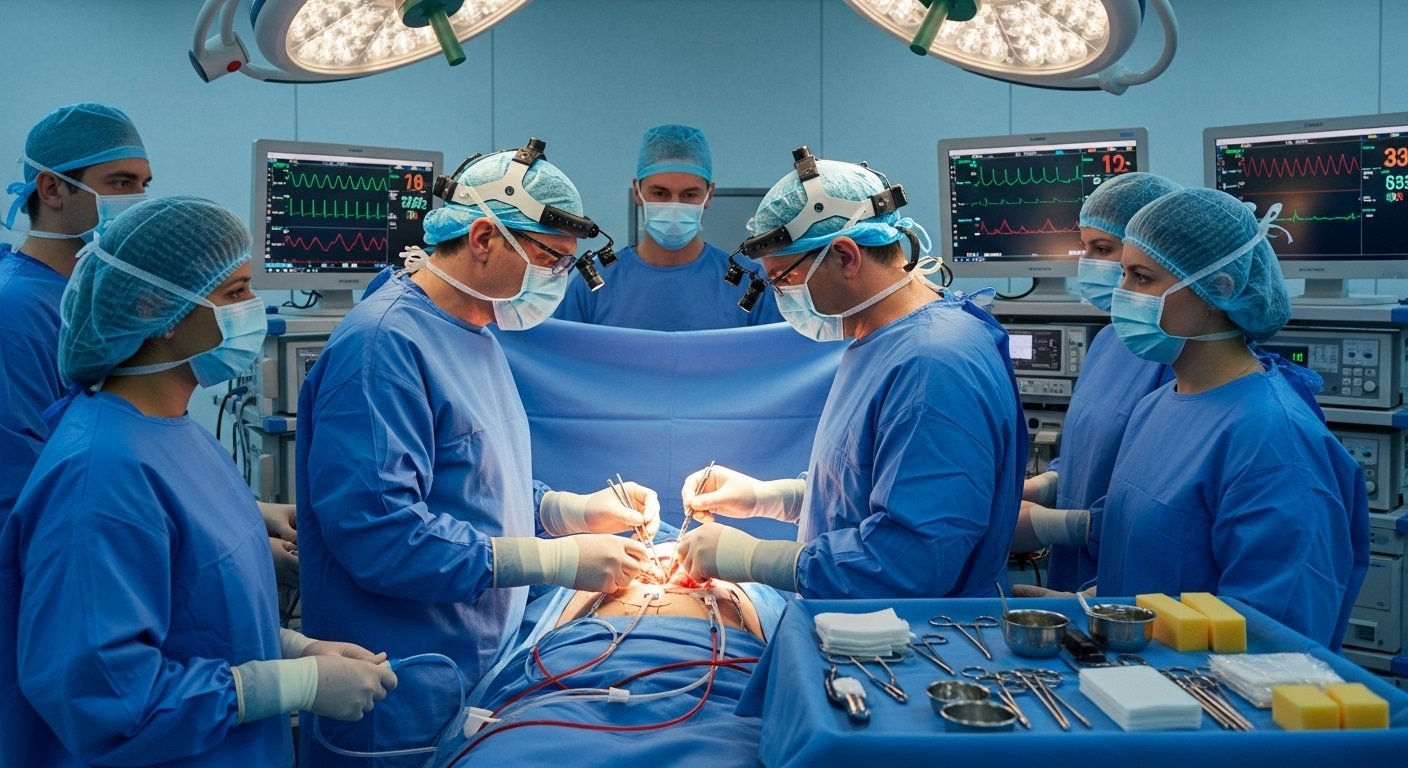
Heart repair surgery involves going directly to the heart through a cut in the chest. It usually means that the heart’s function has to be temporarily stopped and the performance taken over by a heart-lung machine. Common procedures in this category include coronary artery bypass grafting (CABG), valve replacement surgery and correction of existing congenital problems. Cooperation between surgeons, anesthesiologists and nurses can help ensure that these complex operations are done safely and with good results under advanced surgery and perioperative care services.
The objective of open heart surgery is to restore correct blood flow, repair structural defects or replace damaged valves. Because heart surgery is both intricate and complex, the operator needs to be very careful in order to avoid, among other things, future side effects from any error made today with the heart operation, supported by specialized medical and critical care.
How Much Time Will I Spend in Open Heart Surgery?
You can usually expect the operation to last around 3-6 hours For example, a coronary bypass usually takes four to seven Grafting of valve replacements or repairs may require up to eight hours to complete Adding others makes it even more complicated: a double valve replacement operation with home exclusion of the heart’s narrowed arteries This will have taken at least eight hours in total, often requiring continuous monitoring through critical care services.
Duration of Surgery
The length of heart surgery is determined by a number of factors. The age of the patient, for example, especially for those receiving aged care support. Serious underlying medical conditions that exist in addition to the primary diagnosis, such as diabetes and kidney disease care, can make surgery more difficult.
Furthermore, the type of heart disease also plays an important part — for example, having multiple blocked coronary arteries usually results in a greater length of bypass grafting procedures.
However, these less invasive methods may lengthen surgery time from time to time because access is restricted. And, further still, potential complications during surgery, whether it is bleeding problems or arrhythmias, have the potential to prolong the operation.
Pre Operative and Post-Operative Activities of the Hospital Staff
The duration of a heart surgery is just one part of a patient’s stay in the hospital. The patient’s state needs to be monitored, regular tests carried out, and all such other preparations made for the surgery ahead under comprehensive healthcare services. The medical team checks vital signs, administers the necessary medications, and ensures the patient is as ready for this burden as possible.
If a patient undergoes surgery, he/she will be in this unit for 24-48 hours to recover. Here, his heart rate, blood pressure, oxygen level, etc., will also be watched carefully, and the physician will be on constant alert in case there’s any sign of trouble, which might develop into a problem. Preoperative education and postoperative care have ensured that the average hospital stay is at least as long or longer than the surgery itself, often supported by rehabilitation services. After a routine physical, Wang began to make preparations for open-heart surgery.
Risks and Considerations During Surgery
The longer the procedures are, the more potential there will be for problems. Any anesthetic compound and clotting in cardio-pulmonary bypass machines tend to compound the risk; however, the skilled surgeon restrains these dangers through careful preparations, observing the operation all the way and innovative techniques.
The other factors, unique to each patient, are also important considerations. Patients with poor lung function or advanced age will have longer operative times and periods during which they will be laid up, sometimes requiring additional respiratory therapy support. By knowing these potential problems, families can make plans in advance for any delays or an extended stay in the hospital.
Recovery Time Hosting
Recovery time from surgery refers to the number of days it should take for a patient who has been operated on with an incision made through his chest wall and his sternum cracked open to return to normal. On the other hand, surgical duration is the time-consuming process carried over days, weeks or even months needed for an actual operation to be completed. Only by being aware of both aspects will you be able to make an informed decision.
While open-heart surgery usually lasts four to six hours, the recovery process may take weeks. This length can vary from six to twelve weeks, depending on factors such as patient age, overall health and complexity of the operation. To wade through the recovery process, cardiac rehabilitation programs involve supervised physical activity in a medical setting, often guided by physiotherapy services and long-term chronic disease care.
Digestive function will be slow at first, then gradually quickened. Before discharge from the hospital, they are given only liquid food, and that too with discretion–a bottle of glucose solution every two hours. In just three weeks, some of the patients are fully ambulant. Slower still is the sense of taste and smell; On the third day, some can eat liquid food with ease. By eight days after this tough operation, there is no hope left for many if a heart transplant is not performed. Slowly but surely, the digestive function picks up, especially in those who have been good enough to make a donation of both kidneys and liver at the same time. Half exasperated, half resigned, the patients soon see that they must not only recover from their hearts’ triple bypasses but also think about a heart attack.
Doctors’ Recommendations and Suggestions for Patients
It is suggested by experts that a series of tests be done before surgery, which can include blood tests, imaging procedures and assessments about the health of the patient’s heart. By maintaining good cardiovascular health before undergoing surgery, the likelihood of complications can be lessened and more rapid for both operations and postoperative recovery periods. The surgeon advises patients to stop smoking, take care of their diabetes and follow any prescribed drug regimens before the operation is undertaken.
The medical aftercare for a healthy life following surgery is just as important as the surgery itself. This includes attending rehabilitation programs and postoperative return visits to your physician or registered nurses, in addition to such warning signs which can always indicate postoperative complications, such as chest pain, shortness of breath and unusual tiredness. Obeying such principles, patients can see better results and promise their future health, and should make an appointment if symptoms appear.
Misunderstandings About the Duration of Surgery
There is a generally held belief that open heart surgery is long, drawn out and uniformly perilous. Except for required ICU stays, most patients usually can leave in about a week, if there are no complications. When you understand that the time a surgery takes and how long it takes to recover are two different things, you’ll be able to set your expectations more realistically with guidance from professional healthcare providers.