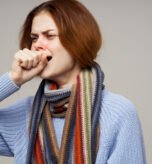

Fever is one of the most common reasons parents seek medical attention for their children. While fevers are often a natural response to an infection, they can still be distressing to both parents and children. Understanding how to safely manage a fever is essential to ensuring your child stays comfortable and healthy. In this comprehensive guide, we’ll cover everything you need to know about breaking a fever in children, including the causes, symptoms, and effective treatments.
Understanding Fevers in Children
Before we dive into how to break a fever, it’s important to understand what a fever is and why it happens.
What is a Fever?
A fever is a temporary increase in body temperature, often in response to an infection or illness. In children, fevers are common and can be caused by many different factors, such as viral or bacterial infections, teething, or even vaccines. A fever is usually not harmful in itself but can make your child feel uncomfortable.
Why Do Children Get Fevers?
Children’s immune systems are still developing, which makes them more susceptible to infections. When the body detects an infection, it raises the temperature to help fight off the invaders. While this process is protective, it can result in discomfort, so knowing how to break a fever can help alleviate some of the symptoms.
When to Worry About a Fever in Children?
Although fevers are common, there are times when they may be a cause for concern. If your child has a fever lasting more than 3 days or experiences symptoms like difficulty breathing, persistent vomiting, or a rash, it’s important to consult a healthcare provider.
How to Break a High Fever
A high fever can be particularly concerning, but there are safe ways to lower the temperature.
Safe Ways to Lower a High Fever in Children
First and foremost, ensure that your child is well-hydrated. Fever causes the body to lose fluids, so it’s crucial to offer water, juice, or oral rehydration solutions. Administer fever-reducing medications like acetaminophen or ibuprofen (according to the appropriate dosage for their age and weight). A lukewarm bath can also help bring down their temperature—just be sure the water isn’t too cold, as it could cause the child to shiver and worsen the fever.
When to Seek Emergency Medical Help for a High Fever
If your child’s fever exceeds 104°F (40°C) or lasts for more than 48 hours, it’s time to seek medical attention. Additionally, if they show signs of severe dehydration, have difficulty breathing, or exhibit unusual drowsiness, contact a healthcare provider immediately.
Fever in Infants and Newborns
Fever in infants, especially those under 3 months, is always a cause for concern.
How to Manage Fever in Infants Under 3 Months
For newborns, a fever is considered an emergency. If your baby has a temperature of 100.4°F (38°C) or higher, you should seek medical attention right away. In this age group, a fever can indicate a serious infection that requires prompt treatment.
What to Do If Your Newborn Has a Fever
If your newborn has a fever, avoid giving them medication like ibuprofen or acetaminophen without consulting a doctor first. Call your pediatrician immediately for advice and guidance.
Fever in Adults
Although this guide focuses on children, it’s helpful to know how to break a fever in adults as well.
How to Break a Fever in Adults
Adults can usually manage fevers with fever-reducing medications like acetaminophen or ibuprofen. Ensuring adequate rest and hydration is also crucial. If the fever is extremely high (over 104°F or 40°C) or lasts for several days, it’s important to consult a healthcare provider.
How to Break a Fever Fast
When dealing with a fever, it’s natural to want quick relief. There are several methods you can try to break the fever fast.
Immediate Steps to Take for Quick Fever Relief
Begin by offering fluids to stay hydrated and reduce the temperature. Administer fever-reducing medications according to your child’s age and weight. A lukewarm bath or a damp washcloth on the forehead can also help bring the fever down more rapidly.
Medications and Home Remedies That Work Fast
Medications like acetaminophen (Tylenol) or ibuprofen (Advil) are effective at reducing fever in children and adults. Always follow the recommended dosages for your child’s age. Home remedies like herbal teas, cool compresses, and rest can complement the medications and help reduce fever symptoms.
How to Break a Fever in a Child
Children’s fevers can be particularly worrying for parents. Here’s how to safely break a fever in children:
Specific Steps to Take for Managing Fever in Children
Monitor your child’s temperature regularly, and offer plenty of fluids to keep them hydrated. Use medications like acetaminophen or ibuprofen to reduce fever and provide comfort. Ensure they rest in a cool, comfortable environment. Avoid bundling them up in too many layers of clothing, as it can trap heat and make the fever worse.
Step 1: Monitor the Temperature Closely
Check your child’s temperature regularly using a reliable thermometer. Keeping track helps you notice patterns and decide when further action or medical advice may be needed.
Step 2: Keep Your Child Well Hydrated
Encourage frequent fluids such as water, breast milk, formula, or oral rehydration solutions. Fever can cause fluid loss, and proper hydration supports the body’s recovery.
Step 3: Use Fever-Reducing Medication Safely
If your child is uncomfortable, medications like acetaminophen or ibuprofen can help lower the fever and ease discomfort. Always follow the correct dosage for your child’s age and weight.
Step 4: Create a Cool and Comfortable Environment
Allow your child to rest in a calm, well-ventilated room. Light bedding and a comfortable room temperature can help prevent overheating and promote better rest.
Step 5: Avoid Overdressing or Excessive Covering
Dress your child in lightweight clothing and avoid bundling them in heavy layers. Trapping heat can raise body temperature and make the fever harder to manage.
Signs You Need to Take Your Child to the Doctor
If your child has a fever over 104°F, is difficult to wake, is persistently vomiting, or has trouble breathing, it’s time to seek medical attention. For infants under 3 months, always seek medical attention if they have a fever.
- Very High or Persistent Fever
If your child’s temperature reaches 104°F (40°C) or higher, or if a fever lasts longer than expected, medical evaluation is necessary. For infants under 3 months, any fever should be checked by a doctor immediately. - Changes in Alertness or Responsiveness
Difficulty waking your child, extreme sleepiness, confusion, or unusual behavior can indicate a more serious condition and should not be ignored. - Severe or Concerning Physical Symptoms
Persistent vomiting, trouble breathing, rapid breathing, or signs of dehydration such as dry lips or very few wet diapers are strong reasons to seek medical care right away.
How to Break a Fever in a Newborn
Newborns are highly vulnerable to infections, and any fever should be treated as an emergency.
Precautions for Newborns with Fever
For babies under 3 months, a fever is a serious medical concern. Seek medical attention immediately if your newborn has a fever of 100.4°F (38°C) or higher. Do not attempt to manage the fever on your own without consulting a healthcare provider first.
When to Consult a Pediatrician for a Newborn’s Fever
If your newborn has a fever, contact a pediatrician immediately. Do not wait for symptoms to worsen, as early intervention is key to preventing complications.
How to Break a Fever in a Teething Child
It’s common for babies to run a mild fever when they are teething, but it’s essential to differentiate between a fever caused by an infection and one caused by teething.
Teething and Fever: What’s Normal and What’s Not
Teething can cause a slight rise in temperature, but it shouldn’t cause a high fever. If your child’s fever exceeds 100.4°F (38°C), it’s more likely due to an infection, and you should consult a doctor.
Tips for Comforting a Child with a Teething Fever
Teething rings, massaging their gums, and offering chilled water or fruit can provide relief for a teething child. If the fever is persistent or high, contact your pediatrician.
How to Break a Fever Naturally
Some parents prefer natural remedies to manage fevers. Here’s how you can break a fever naturally.
Infants and Toddlers (0-24 months)
| Age | Temperature | What to Do |
|---|---|---|
| 0-3 months | 100.4°F (38°C) or higher (rectally) | Immediate Action: Call your child’s healthcare professional immediately. Newborns are at higher risk for severe infections. |
| 3-6 months | Up to 102°F (38.9°C) (rectally) | Rest and Hydration: Keep your child comfortable by providing rest and fluids. No fever medicine unless advised by a doctor. |
| 3-6 months | Above 102°F (38.9°C) (rectally) | Seek Medical Advice: Contact your pediatrician who may suggest bringing your baby in for an exam to rule out serious conditions. |
| 6-24 months | Above 102°F (38.9°C) (rectally) | Fever Reducers: You can give your child acetaminophen or ibuprofen (only for children 6 months and older). Never wake your child for medicine. Avoid aspirin due to the risk of Reye’s Syndrome. Call the doctor if the fever doesn’t respond to medicine or lasts for over a day. |
Children (2-17 years)
| Age | Temperature | What to Do |
|---|---|---|
| 2-3 years | Up to 102°F (38.9°C) (rectally) | Comfort and Fluids: Allow rest and hydration. No medication is needed unless the fever causes discomfort. Call the doctor if your child seems more irritable or fatigued than usual. |
| 2-17 years | Above 102°F (38.9°C) (rectally for younger, orally for older children) | Medication and Monitoring: Administer acetaminophen or ibuprofen to relieve discomfort, based on your child’s age. Avoid giving aspirin, as it is not safe for children. Call the healthcare provider if the fever persists for over three days or doesn’t respond to medicine. |
Adults (18+ years)
| Age | Temperature | What to Do |
|---|---|---|
| 18 years and up | Up to 102°F (38.9°C) (orally) | Rest and Hydrate: Drink plenty of fluids and rest. Medication isn’t necessary unless the fever is causing discomfort. Contact a healthcare provider if the fever is accompanied by severe symptoms like a headache or shortness of breath. |
| 18 years and up | Above 102°F (38.9°C) (orally) | Medication for Comfort: For higher fevers, take acetaminophen (Tylenol), ibuprofen (Advil), or aspirin. Be cautious of exceeding the recommended dose, especially with acetaminophen, which may also be in some cough or cold medicines. If the fever lasts longer than 3 days or remains at 103°F (39.4°C) or higher, seek medical attention. |
Using Natural Methods Like Herbal Teas, Rest, and Cool Compresses
Herbal teas such as chamomile or peppermint can provide comfort and help reduce fever. Rest is essential for recovery, so ensure your child is in a quiet, comfortable space. A cool compress on the forehead or back of the neck can help lower body temperature.
What Natural Remedies Are Safe for Children and Adults?
For both children and adults, it’s important to focus on hydration and rest. Cooling methods like a lukewarm bath, herbal teas, and cool compresses are safe and effective natural remedies. Always check with a healthcare provider if you’re unsure about using any natural remedies.
People Also Asked Questions (FAQs)
What temperature is considered a fever for children?
A fever in children is typically considered a temperature over 100.4°F (38°C).
Can teething cause a fever in children?
Teething may cause a mild rise in body temperature, but it usually doesn’t lead to a significant fever. If your child’s fever is high, it’s more likely due to an infection.
What are natural remedies to reduce fever in children?
Keeping your child hydrated, using a lukewarm bath, and dressing them lightly are natural ways to help manage a fever. Always consult a doctor if you’re unsure.
How to Break a Fever?
Breaking a fever typically involves monitoring the child’s temperature, keeping them hydrated, and providing fever-reducing medication. You can also use lukewarm baths to help reduce the fever.
How to Break a High Fever?
For high fevers, it's crucial to lower the body temperature gradually with fever-reducing medication like ibuprofen or acetaminophen, and ensure the child stays hydrated. If the fever persists for more than a couple of days, seek medical advice.
How to Break a Fever Fast?
To break a fever quickly, provide fever-reducing medication, ensure the child is well-hydrated, and offer a lukewarm sponge bath. If the fever is high and persistent, it’s best to contact a healthcare provider.
How to Break a Fever in a Child?
To break a fever in children, ensure they are well-rested, keep them hydrated, and consider using a fever-reducing medication like acetaminophen. Lukewarm baths can also help reduce the fever.
How Long Does It Take for a Fever to Break?
A fever generally breaks within 2-3 days, depending on its cause. However, it’s important to monitor your child’s symptoms and seek medical attention if the fever persists beyond this time.
How to Break a Newborn’s Fever?
For newborns, a fever is a serious concern. If your newborn has a fever, it’s best to seek immediate medical attention, as newborns are more vulnerable to infections. Never attempt to treat a fever in a newborn without consulting a healthcare provider.
How to Break a Teething Fever?
Teething can cause a mild fever, but it typically isn’t very high. Use gentle methods like keeping the child hydrated and offering teething rings. If the fever rises above 100.4°F, consult a pediatrician.
How Long Does It Take a Fever to Break?
The length of time it takes for a fever to break varies, but most fevers resolve within a few days. If a fever persists for more than 3 days, consult a healthcare provider.
How to Break a Fever in Adults?
In adults, fever can usually be broken using fever-reducing medications such as ibuprofen or acetaminophen, along with adequate hydration and rest. If the fever is high or persistent, seek medical attention.
How to Break a Fever Naturally?
Natural methods for breaking a fever include staying hydrated, using a lukewarm bath, applying cool compresses, and ensuring the person rests comfortably in a cool environment.
How to Get a Fever to Break?
To get a fever to break, ensure the person is well-hydrated, comfortable, and not overheated. Medications like acetaminophen or ibuprofen can help lower the temperature, and monitoring their symptoms is essential.
Conclusion
Managing a fever in children can be a stressful experience, but with the right knowledge and tools, you can help them feel more comfortable. Remember, a fever is often a sign that the body is fighting an infection, and while it’s usually not dangerous, it’s essential to monitor your child’s symptoms closely. Always seek professional medical advice if the fever persists or if you notice any concerning symptoms.
By understanding how to break a fever and taking the right steps, you can help your child recover more quickly and comfortably.
Medical References & Trusted Health Sources
The information in this guide is supported by guidance from leading medical and pediatric health authorities. Fever management recommendations are based on widely accepted clinical standards to ensure safety and accuracy for parents and caregivers.
According to the Centers for Disease Control and Prevention, fever is a common response to infection in children and is usually not dangerous on its own, but specific temperature thresholds and symptoms require medical attention, especially in infants.
For additional information about hospital-level care, services, and fever management resources, visit https://stgeorgehospital.com the official website of St. George Hospital, a medical facility offering comprehensive clinical care, including pediatric services and emergency evaluation for fever and related symptoms.
Parents are encouraged to consult a qualified healthcare provider or pediatrician if symptoms worsen, persist, or cause concern.