
|
Getting your Trinity Audio player ready...
|
Vaginal rejuvenation treatment is performed by a medical procedure or with energy-based procedures to improve the structure, function, or aesthetics of the vagina. Vaginal treatment is done through laser therapy, radiofrequency therapy, fillers, and surgery as part of advanced women’s health services. With age, childbirth, and hormonal decline over the years, the vaginal tissue also changes. The reduction of estrogen results in atrophy (thinning) of the mucosa, decreased lubrication, and weakened collagen. Medical treatments initiate collagen remodeling, enhance blood flow, and aid in restoring tissue elasticity, often supported through gynecological care.
What does a vaginal treatment specialist do?
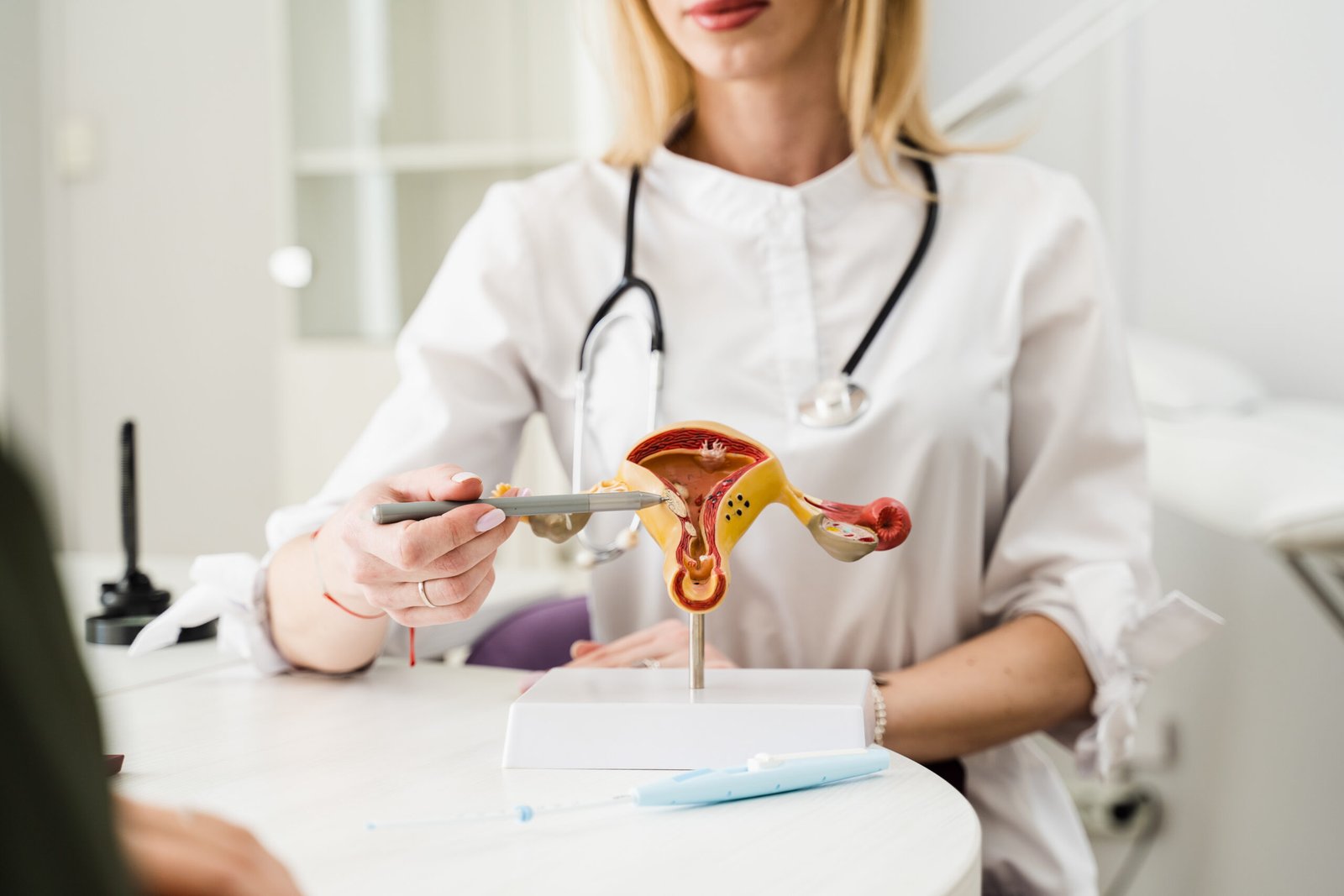
Only a specialized vaginal treatment specialist can evaluate symptoms, make a diagnosis, and choose the right therapy. These procedures are carried out by gynecologists and urogynecologists under professional women’s healthcare services. The clinician assesses the following “V” signs: vaginal laxity, dryness, urinary incontinence, and sexual function. The specialist checks the medical history, hormonal status, and any prior birth events. Physical examination detects tissue atrophy or weakness of the pelvic floor. Imaging tests such as pelvic exams and ultrasounds are diagnostic and may be linked with hormonal health evaluation. Treatment planning corresponds to clinical indications. The physician describes risks, benefits, and expected outcomes.
Which treatments define vaginal treatment?
Vaginal treatments are an alternative to standard gynecologic care and use less conventional or investigational therapies for certain female health conditions. Energy-based therapies, injectables, and surgical procedures are a few of the options offered by this type of care within broader women’s health services. If you are considering this type of therapy, make sure to discuss possible side effects. Energy-based therapies are commonly used in vaginal and pelvic floor therapy. These therapies use different forms of energy to address specific pelvic problems. The two most well-known forms of therapy include laser therapy and radiofrequency devices. Laser therapy, such as fractional CO2 or Er:YAG devices, helps to stimulate collagen by utilizing certain wavelengths of light. This type of therapy can address vaginal dryness and improve the elasticity of vaginal connective tissue, often improving outcomes alongside sexual wellness care. Radiofrequency devices deliver heat to tissues. Typically, this type of therapy is most popularly used in cosmetic surgery to tighten tissues. In vaginoplasty and labiaplasty, radiofrequency energy is commonly used to help tighten the tissues in the body. Injectables, such as hyaluronic acid, can help hydrate and add volume to your tissues. Platelet-rich plasma therapy can also be used in conjunction with other injectables to supply the tissues with additional growth factors; however, there is little conclusive evidence on the effectiveness of this type of therapy. Injectables are typically used for conditions relating to vaginal elasticity and laxity.
How does vaginal treatment differ from other gynecologic treatments?
While vaginal rejuvenation surgical procedures are less common, vaginoplasty can be used to help tighten the vaginal canal and labiaplasty, which reshapes the external vaginal structures, is also an option. Vaginal treatments address similar conditions that you may visit a gynecologist for, such as vaginal laxity, vaginal dryness, mild urinary leakage, genitourinary syndrome of menopause, mild stress urinary incontinence, irritation, and decreased sexual satisfaction, often associated with menopause care. While visiting a gynecologist on a regular basis is important, vaginal treatments can address certain conditions that a standard gynecologist may not be able to. Gynecologists typically perform complete physical exams for women and also conduct Pap smears to check for cervical cancer. Standard gynecology also covers hormonal disorders, infections, and fibroids. If you are interested in a vaginal treatment, ask your clinician if this therapy is something you should consider. Depending on your symptoms, your clinician will usually choose which path of care they think is best based on your symptom severity and your personal preference.
Which conditions does vaginal treatment address?
Some gynecologists also conduct pelvic floor therapy, which can be a helpful complement to vaginal treatments. If you are considering a vaginal treatment, check to see if a gynecologist in your area offers this service. Vaginal treatments can be especially effective when used in conjunction with other therapies. Clinical guidelines suggest that clinicians use vaginal rejuvenation procedures only when evidence supports their use, and regulatory agencies are carefully evaluating their safety and effectiveness. Hormonal therapy is currently the first-line treatment for many menopausal symptoms, but energy-based treatments are being investigated as alternatives and options for individuals for whom hormone therapy is contraindicated, often alongside hormonal health care.
Treatment Initiation Process
In a clinical setting, therapy for vaginal conditions is initiated by an evaluation and assessment by a physician who specializes in gynecology or urogynecology under comprehensive healthcare services. The process begins with a clinical evaluation, thorough diagnosis, and pelvic exam. The physician will review the patient’s symptoms as well as her hormonal status and medical history to determine her eligibility for treatment. Treatment options are then discussed, including available options and the risks and expected outcomes. For non-surgical treatments, multiple treatment sessions are necessary and completed in a series spaced weeks apart. For surgical treatments, patients may undergo a preoperative assessment and recovery plan. Informed consent clearly outlines expectations and is based on evidence of the treatment evaluated against established guidelines. After the treatment has been initiated, patients will have follow-up visits in order to assess their symptom improvement and tissue response, and may book an appointment for continued care.
What outcomes are aimed to be achieved by vaginal treatment?
Patient-centered approaches to vaginal treatment should begin with a thorough assessment of the goals the individual patient is trying to achieve. Treatment can target one or multiple issues, and the clinical effects are measurable. Improvement in tissue elasticity, lubrication, and structural support, as well as reduction in dryness, discomfort, and mild urinary leakage, are possible effects. Sexual function may improve with the treatments, but some patients may not achieve this result, showing different effects overall among patients treated with the same approach and amount of treatments. For instance, improved sensation and comfort during intercourse, due to improved tissue elasticity and lubrication, will happen in some patients, but other patients will require additional sessions or a combination of different treatments to achieve those results. However, for many, their sexual function improves following treatment, often supported by mental wellness care.
Which innovations are shaping vaginal treatment?
Numerous device- and biologic-based innovations, such as fractional CO2 lasers, radiofrequency systems, and platelet-rich plasma, among others, have been developed to treat the anatomic and functional problems associated with vaginal atrophy and prolapse. These advancements are part of modern surgical and perioperative care services. Energy-based devices act to stimulate the body’s natural processes to remodel collagen in the tissue by delivering energy and do not actually deliver the collagen itself. These energy-based devices provide non-invasive alternatives to surgery and deliver the energy to the tissue without damaging it. However, results among studies have shown mixed evidence on the effectiveness of energy-based devices, and more studies are needed to standardize treatment parameters and assess long-term outcomes.
What side effects occur in vaginal treatment?
Our medical clinics deliver only the safest, most advanced non-invasive treatments for patients. The most commonly reported side effects after non-surgical vaginal procedures are temporary redness, swelling, and mild discomfort. Most patients find that their symptoms resolve within a few days and experience only mild discharge or irritation after laser and radiofrequency treatments. Surgical procedures always carry the risk of complications, including infection, scarring, and pain. However, the risk of adverse side effects can be minimized with proper technique during the procedure as well as diligent aftercare, supported by clinical care services. Patients can also reach out through contact support if they experience any complications.
How does vaginal treatment use diagnostic evaluation?
Vaginal treatment has relied and continues to rely on clinical evaluation rather than molecular biomarkers. Tissue condition and structural changes were assessed and are assessed through pelvic examination. Symptom severity and treatment response were evaluated and are evaluated using scoring tools. Hormonal testing was used and may be used to guide therapy in menopausal patients. Patient-reported measures were used and are used to complement clinical findings, often integrated within broader preventive healthcare services.