|
Getting your Trinity Audio player ready...
|
Understanding when is a fever too high for a child is critical for every parent and caregiver. While most fevers are a natural immune response to infections, some temperatures signal danger. Generally, a fever above 104°F (40°C) requires immediate attention, especially when accompanied by symptoms like difficulty breathing, persistent vomiting, or unusual lethargy. Knowing the signs, causes, and safe interventions can help prevent complications and ensure timely care.
Understanding Fever in Children
Fever is the body’s natural defense mechanism. When a child develops a fever, it usually indicates that their immune system is responding to a bacterial or viral infection. While many parents panic at the first sign of a raised temperature, fever itself is not always dangerous. For infants under three months, even a mild fever can be serious, whereas older children may tolerate higher temperatures without complications.
Temperature alone is not always the only indicator of concern. Observing a child’s overall behavior energy level, hydration, and responsiveness is just as important as the number on the thermometer. Pediatricians often emphasize that a child who is playful, hydrated, and alert despite a high temperature may not require emergency care, whereas a lethargic, pale, or unresponsive child with a moderate fever may need immediate evaluation.
What Constitutes a High Fever
A fever is generally defined as a body temperature above 100.4°F (38°C). However, determining when a fever is too high for a child depends on both age and context. For children under three months, a fever of 100.4°F or higher can indicate a potentially serious infection and should prompt urgent medical attention. In children older than three months, temperatures between 102°F and 104°F (38.9°C–40°C) are considered high but often manageable at home with monitoring and supportive care. Temperatures exceeding 104°F (40°C) in any child are considered very high and warrant immediate medical consultation.
Symptoms That Require Immediate Attention
Even with a moderately high fever, certain symptoms indicate that urgent care is necessary. Signs such as difficulty breathing, persistent vomiting, severe headache, confusion, seizures, or a bluish tinge to the lips or face are red flags. Additionally, if a child experiences dehydration signaled by reduced urination, dry mouth, or sunken eyes medical evaluation is essential. Infants under three months showing any fever, especially if accompanied by irritability or lethargy, must be evaluated in a hospital setting without delay.
Parents should also be aware of prolonged fevers that last more than three days without improvement, as this may indicate underlying infections or complications that require professional intervention.
Causes of High Fever in Children
High fevers in children can result from a variety of causes. Common viral infections such as influenza, respiratory syncytial virus (RSV), and COVID-19 can trigger significant temperature spikes. Bacterial infections like urinary tract infections, ear infections, or pneumonia may also cause high fever. Less common but serious causes include meningitis, sepsis, and autoimmune conditions. Recognizing the pattern and duration of a fever can provide important clues to its cause, guiding caregivers toward appropriate treatment.
Environmental factors can also influence body temperature. Overdressing, overheating rooms, or dehydration can exacerbate fever symptoms, making it appear higher than it is. Distinguishing between true fever and heat-related temperature rise is important to avoid unnecessary panic.
Managing Fever Safely at Home
Home management focuses on comfort and safety. Ensuring that the child stays hydrated with water, oral rehydration solutions, or soups is vital. Light clothing and a comfortably cool environment help prevent overheating, and lukewarm sponge baths can alleviate discomfort.
Medications like acetaminophen or ibuprofen can be used to reduce fever, but dosing must be accurate according to the child’s age and weight. Aspirin should be avoided due to its association with Reye’s syndrome in children. Caregivers should also avoid aggressive cooling measures, like ice baths, which can be dangerous and counterproductive.
Regular monitoring of temperature and behavior is crucial. A child who remains alert, hydrated, and active may not need urgent care even with high fever, whereas a child who shows declining responsiveness should be seen by a medical professional immediately.
When Is a Fever Too High For a Child to Seek Emergency Care
Certain scenarios require prompt emergency care. Any fever above 104°F (40°C), especially if it does not respond to fever-reducing medications, warrants immediate attention. Persistent vomiting, seizures, severe pain, or signs of respiratory distress are clear indicators for hospitalization. Additionally, infants under three months with any fever should be treated as potential emergencies, as their immune systems are less capable of fighting infections effectively.
Caregivers should also seek medical guidance if a child has chronic conditions, compromised immunity, or recently underwent surgery, as even moderate fevers may signify complications in these cases.
Potential Complications of Untreated Fever
Although fever itself is a natural defense, excessively high or prolonged fever can lead to complications. Febrile seizures are the most common neurological complication in children between six months and five years, usually triggered by rapid temperature spikes. Dehydration, electrolyte imbalance, and in rare cases, organ dysfunction can occur if fever persists without intervention. Early recognition and treatment prevent most severe outcomes, emphasizing the importance of vigilance in monitoring and managing fever in children.
Prevention and Healthy Practices
Preventing infections that cause fever starts with good hygiene. Frequent handwashing, vaccination, and avoiding close contact with sick individuals reduce the likelihood of infection. Maintaining balanced nutrition, adequate sleep, and regular pediatric checkups strengthens a child’s immune system, making them less prone to severe illness.
Educating caregivers on normal fever patterns, safe home interventions, and warning signs of serious illness ensures children receive timely care without unnecessary medical visits. This balance of awareness and preparedness reduces both parental anxiety and risk to the child.
Next Steps
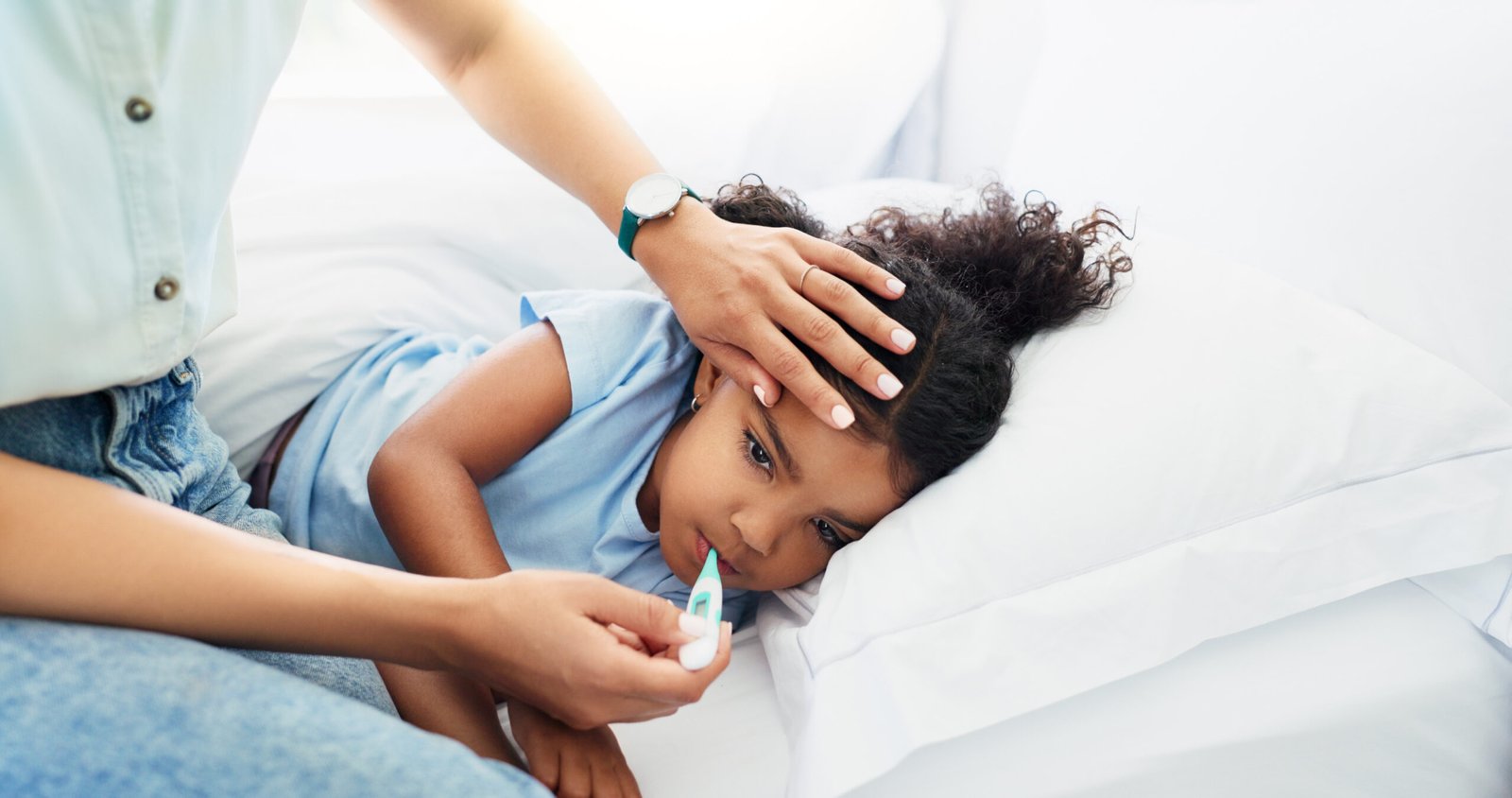
When a child develops a fever, measure temperature accurately using a digital thermometer, observe behavior, and track symptoms. For high or persistent fever, contact a pediatrician promptly. Keep a record of medications, timing, and fever trends to provide comprehensive information for healthcare providers. Planning ahead by understanding emergency signs, having fever-reducing medications on hand, and maintaining hydration strategies allows caregivers to respond confidently and effectively.
References
- American Academy of Pediatrics. “Fever and Your Child.”
- Mayo Clinic. “Fever in Children: When to Call the Doctor.”
- Centers for Disease Control and Prevention. “Fever in Infants and Children.”
- National Health Service UK. “Childhood Fever.”
People Also Asked Questions (FAQs)
Is 103°F too high for a child?
A fever of 103°F is considered high and requires careful monitoring. If accompanied by lethargy, vomiting, or breathing issues, seek medical attention.
How long can a child safely have a fever?
Most fevers last 2–3 days. Any fever persisting beyond three days or accompanied by serious symptoms should be evaluated by a doctor.
Can high fever cause permanent damage in children?
Rarely, fever itself causes permanent damage. Complications are usually linked to underlying infections or prolonged dehydration rather than the temperature alone.